
For years, businesses have stacked agent after agent onto their devices, each solving a narrow problem while creating a bigger one: slow machines, frustrated users, unstable applications, and a complete loss of architectural control.
AQUILA EPA ends this era. It brings the discipline, clarity, and unity of a C4I system directly to the endpoint — in a single, lightweight, intelligent agent.


![[interface] image of a computer showcasing educational software (for a edtech)](https://cdn.prod.website-files.com/6954708495d04649d41c9ddd/699ce3a9c816d3b942bf4544_Military%20EPA%204.jpeg)

AQUILA EPA is designed for any organization that wants stability, clarity, and control at the device layer — from startups to global enterprises, from MSPs to regulated sectors. It restores trust in IT, reduces operational noise, eliminates agent collisions, and gives leaders confidence that their endpoints are governed, aligned, and ready.
AQUILA EPA is the endpoint architecture modern organizations have been missing.
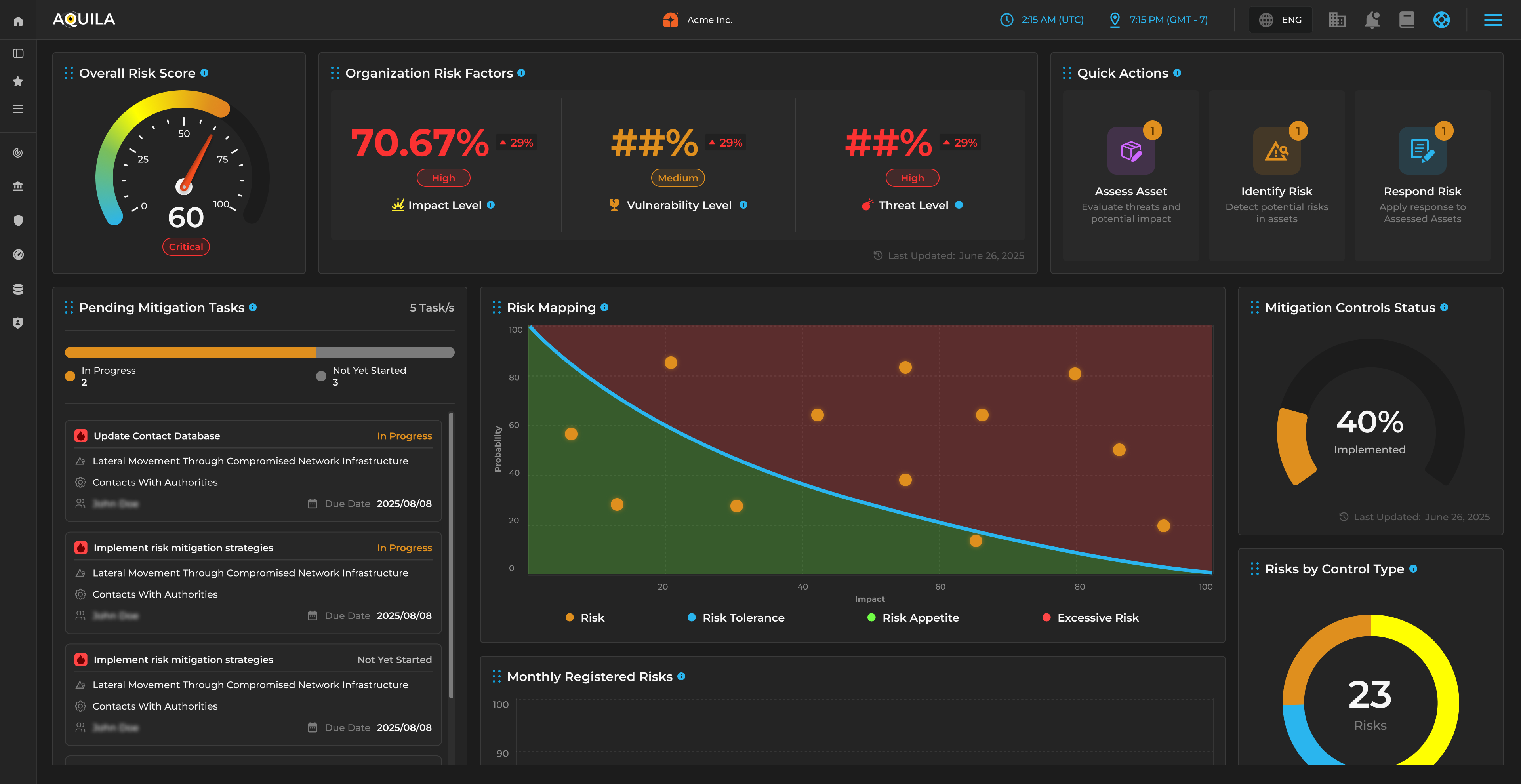
EPA is the host‑based extension of the AQUILA operating system — a mini‑AQUILA that brings Command, Control, Communications, Computers, and Intelligence directly to every device.
It consolidates nine critical cybersecurity functions into one unified agent, replacing the five to twelve agents that typically overload endpoints.
AQUILA EPA monitors behavior, enforces governance, executes automated response, protects data, and feeds high‑fidelity telemetry into AQUILA’s Core OS — all through a single architectural model.
AQUILA EPA is not an EDR.
Not a bundle.
Not a “platform.”
It is a C4I‑grade endpoint system.
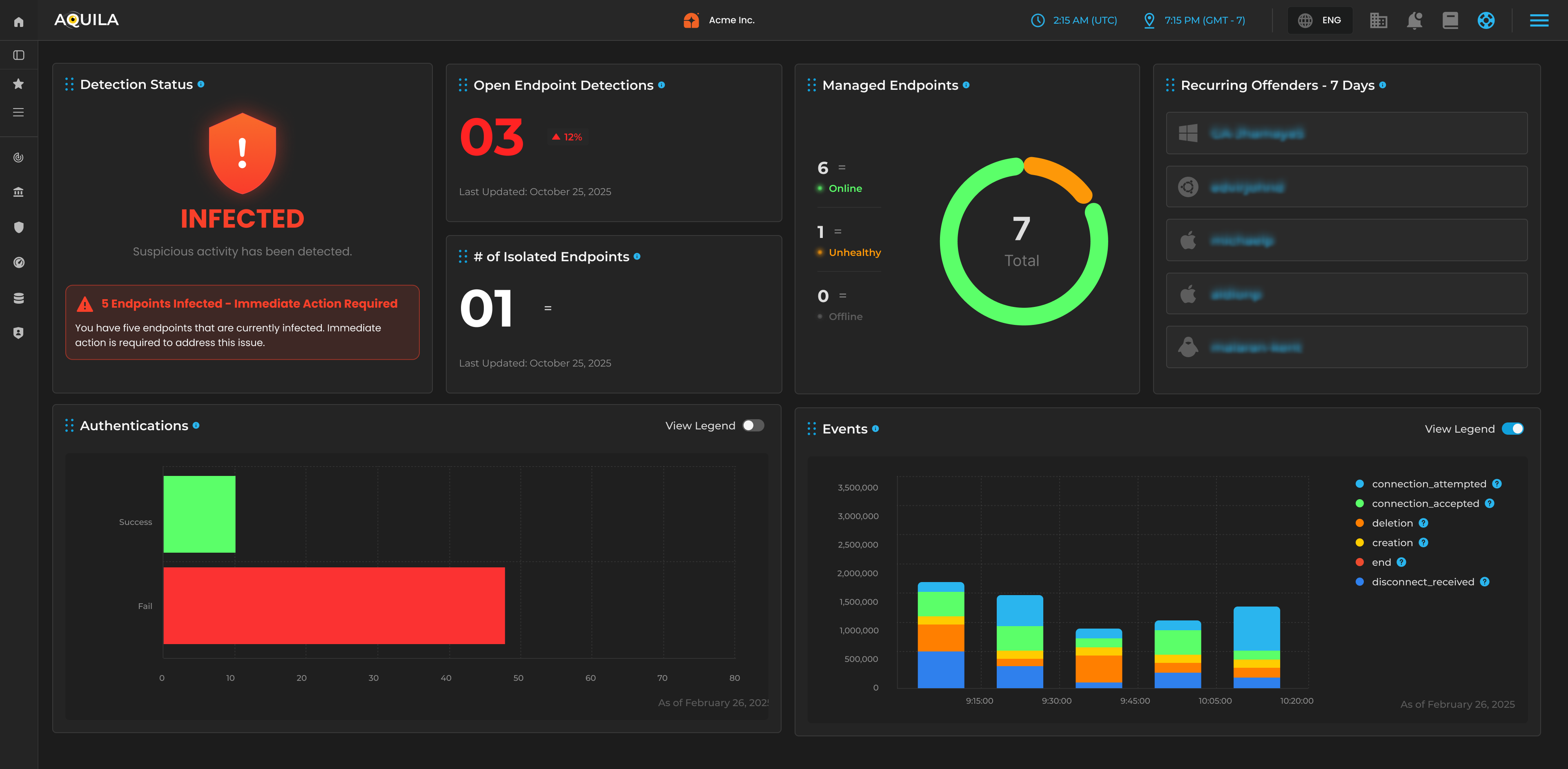
AQUILA EPA’s EDR brings C4I‑grade detection directly to the device, ingesting high‑fidelity telemetry and transforming it into immediate, coordinated action.
It identifies malicious behavior, correlates patterns with identity and data signals, and executes containment the moment a threat emerges.
This is not a standalone tool — it is the analytical backbone of the endpoint, operating with the precision and speed required for modern cyber defense.
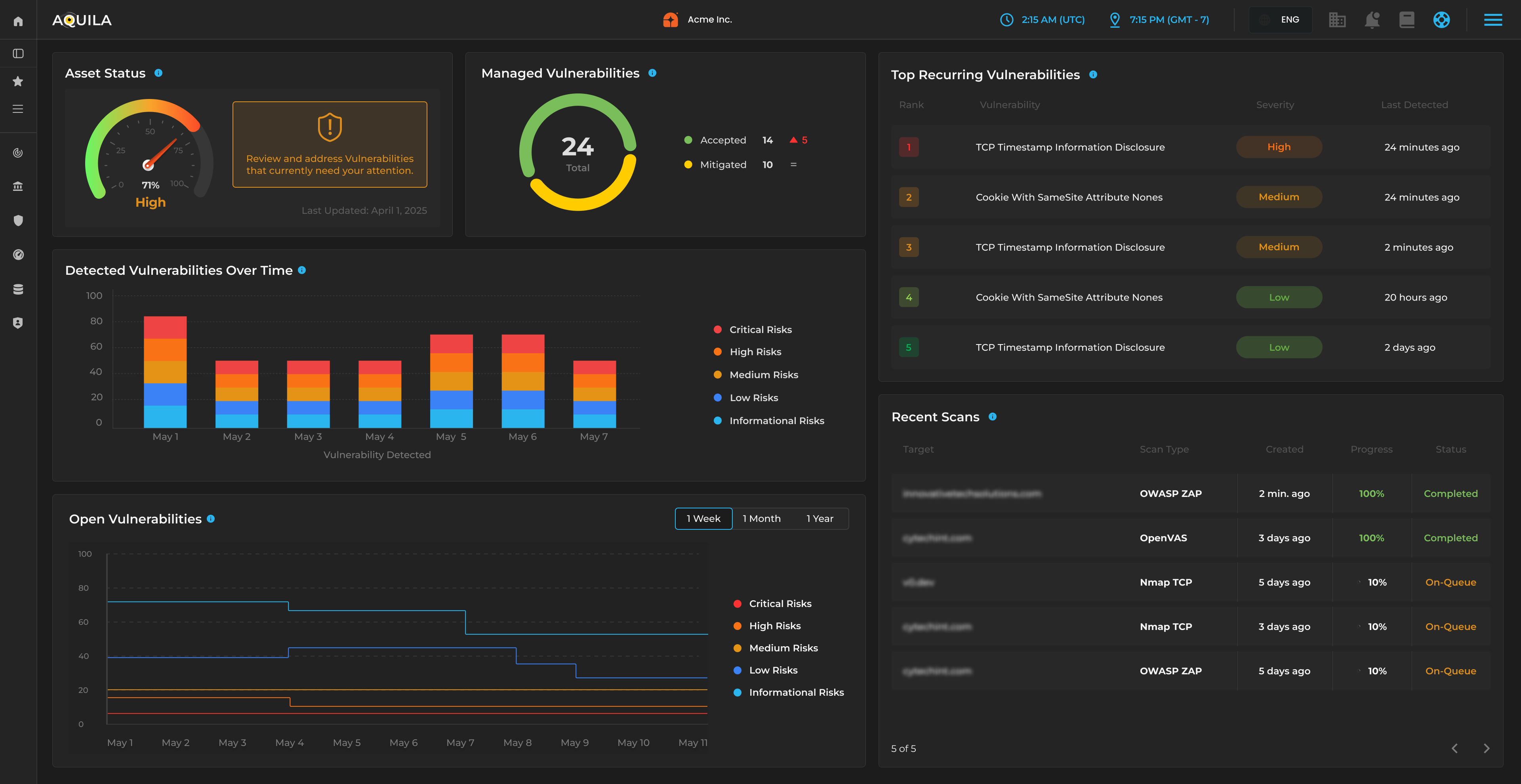
VDR evaluates every endpoint’s configuration, software inventory, and patch posture in real time, ensuring that vulnerabilities are identified, prioritized, and addressed before they become attack paths.
Integrated directly into AQUILA’s governance and risk models, VDR transforms the endpoint into a continuously validated asset, aligned with organizational standards and regulatory expectations.
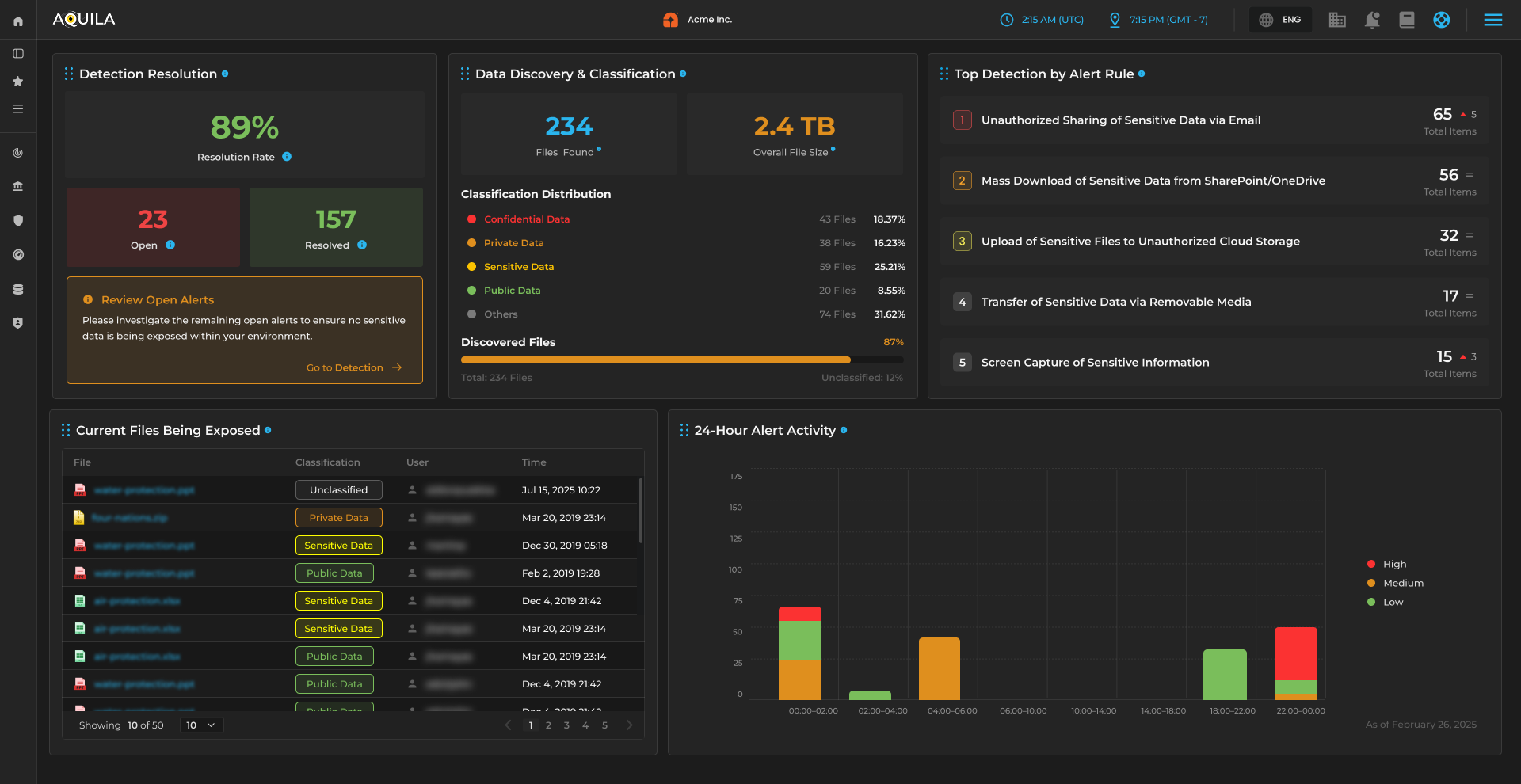
AQUILA EPA enforces data handling policies directly at the endpoint, monitoring data in use, in motion, and at rest with full contextual awareness.
By correlating user behavior, identity signals, and operational risk, DLP becomes a dynamic guardian of sensitive information — not a static rule engine. It ensures that data remains protected without disrupting the user experience.
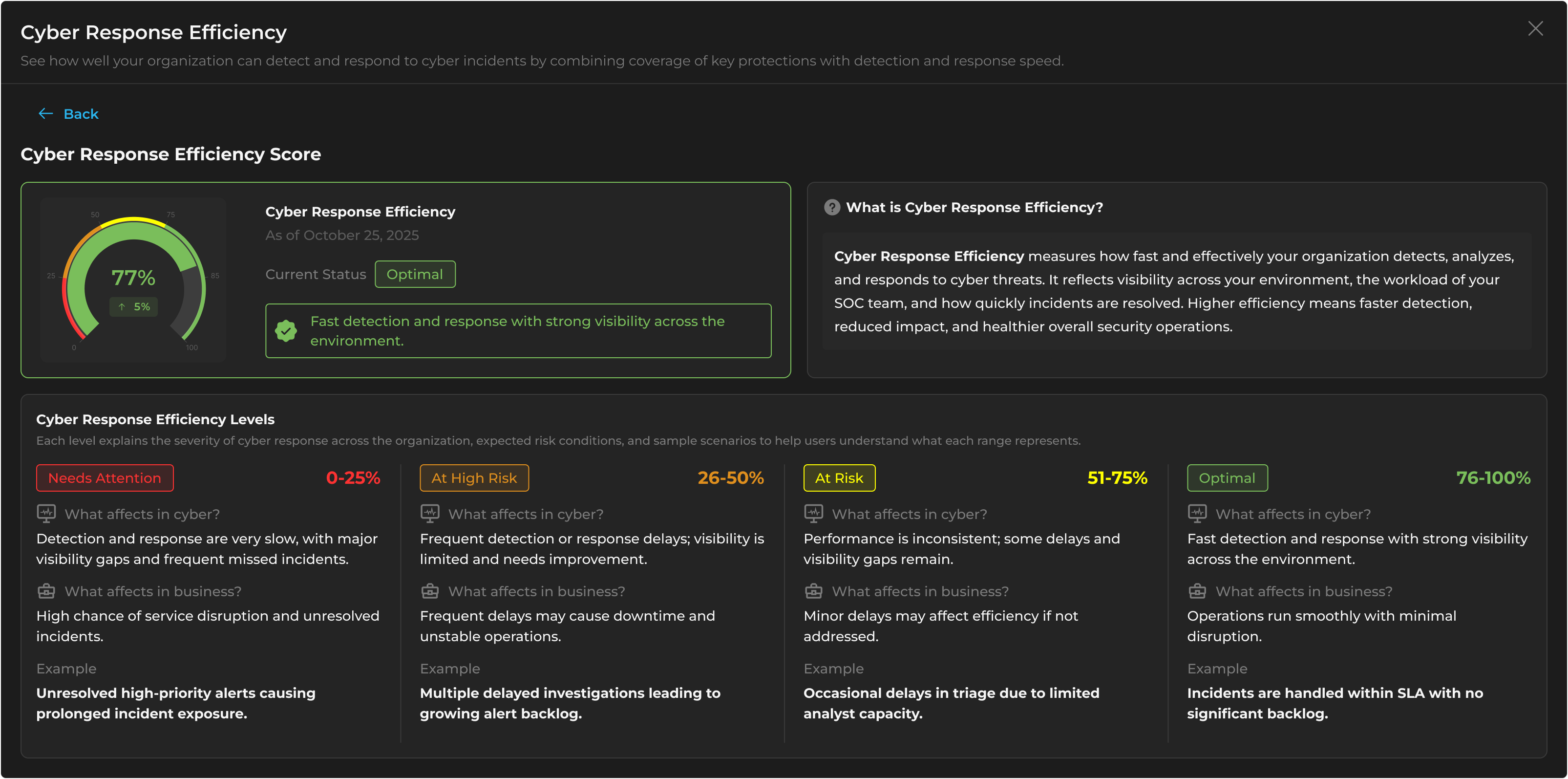
AQUILA EPA embeds orchestration directly into the device, enabling automated response actions without waiting for external systems.
It isolates endpoints, terminates malicious processes, enforces containment, and applies policy controls instantly.
This local autonomy eliminates the delays that adversaries exploit and elevates the endpoint from a passive sensor to an active responder.
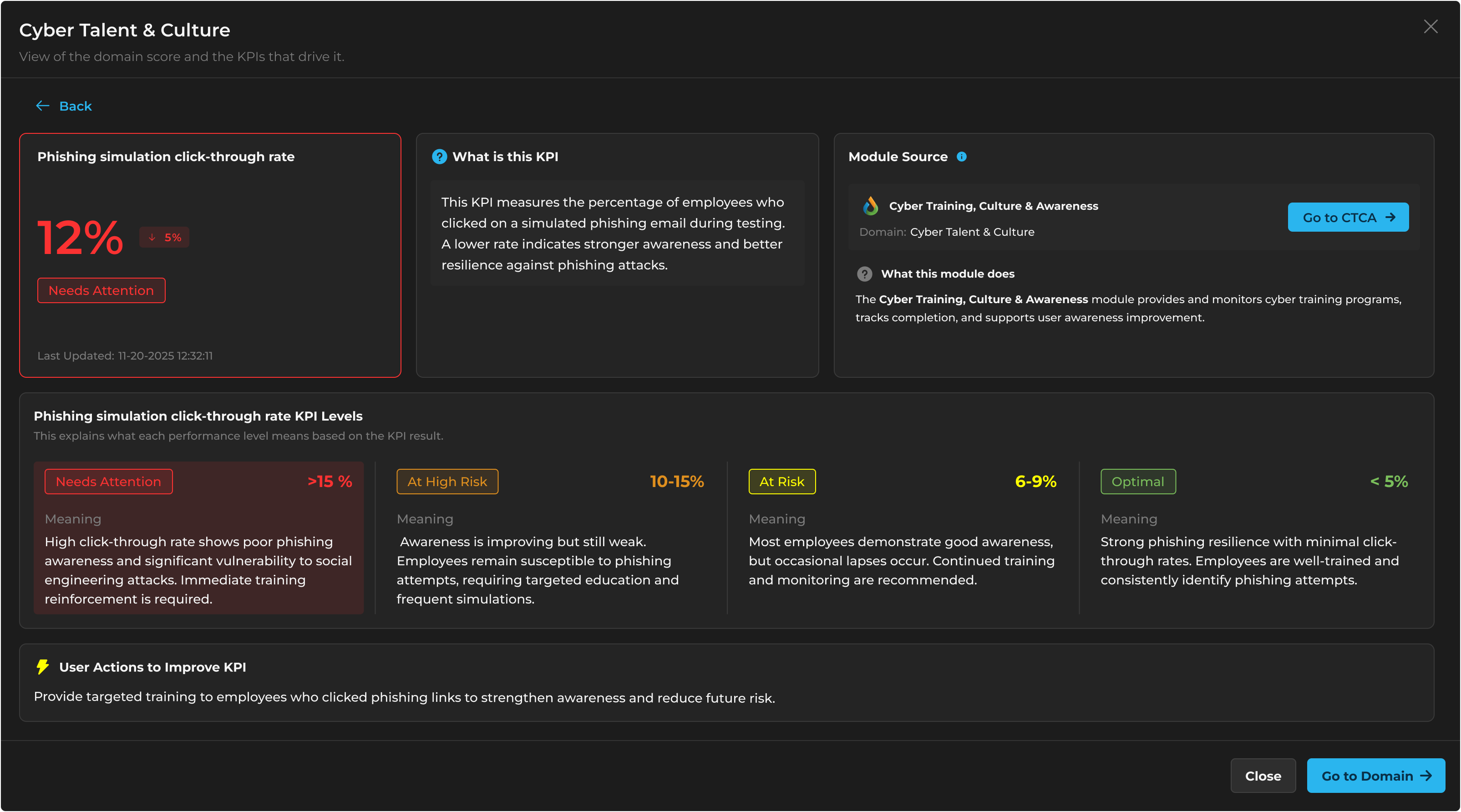
UEBA continuously learns user patterns, application behavior, and system activity to identify anomalies that signal compromised credentials, insider threats, or lateral movement.
Integrated with AI monitoring and EDR, UEBA gives the endpoint the ability to understand intent — transforming detection from rule‑based to behavior‑driven.

RBI renders risky or unknown web content in isolated environments, ensuring that malware, phishing attempts, and drive‑by exploits never reach the endpoint.
Tied to identity behavior and threat intelligence, RBI adapts dynamically to user roles and risk levels, providing seamless protection without compromising performance or usability.
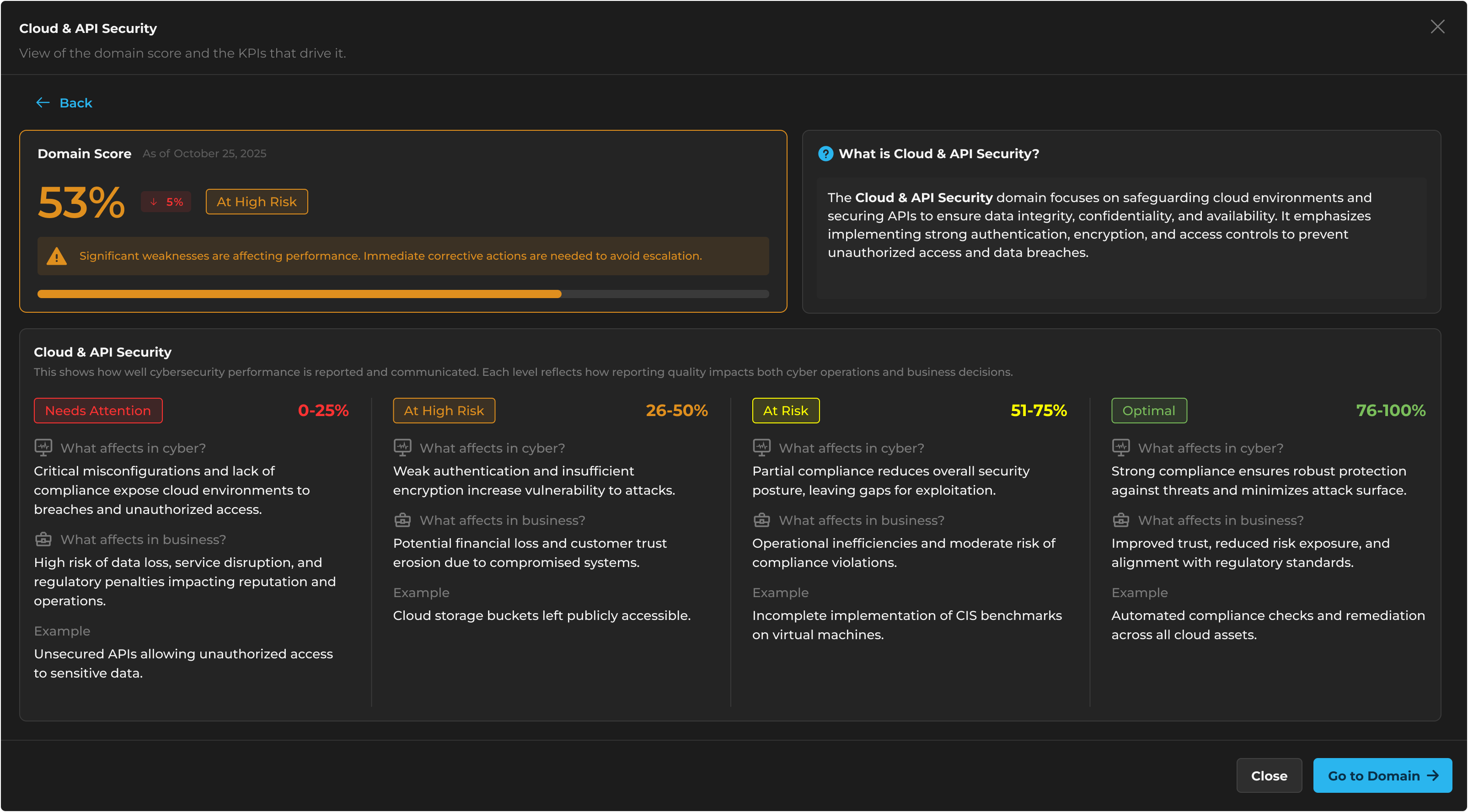
AQUILA EPA applies machine‑learning models directly to endpoint activity, detecting subtle patterns that traditional systems overlook — staged exfiltration, dormant persistence, privilege drift.
This intelligence feeds both local decision‑making and AQUILA’s global awareness, strengthening detection accuracy and elevating the endpoint’s role in enterprise defense.
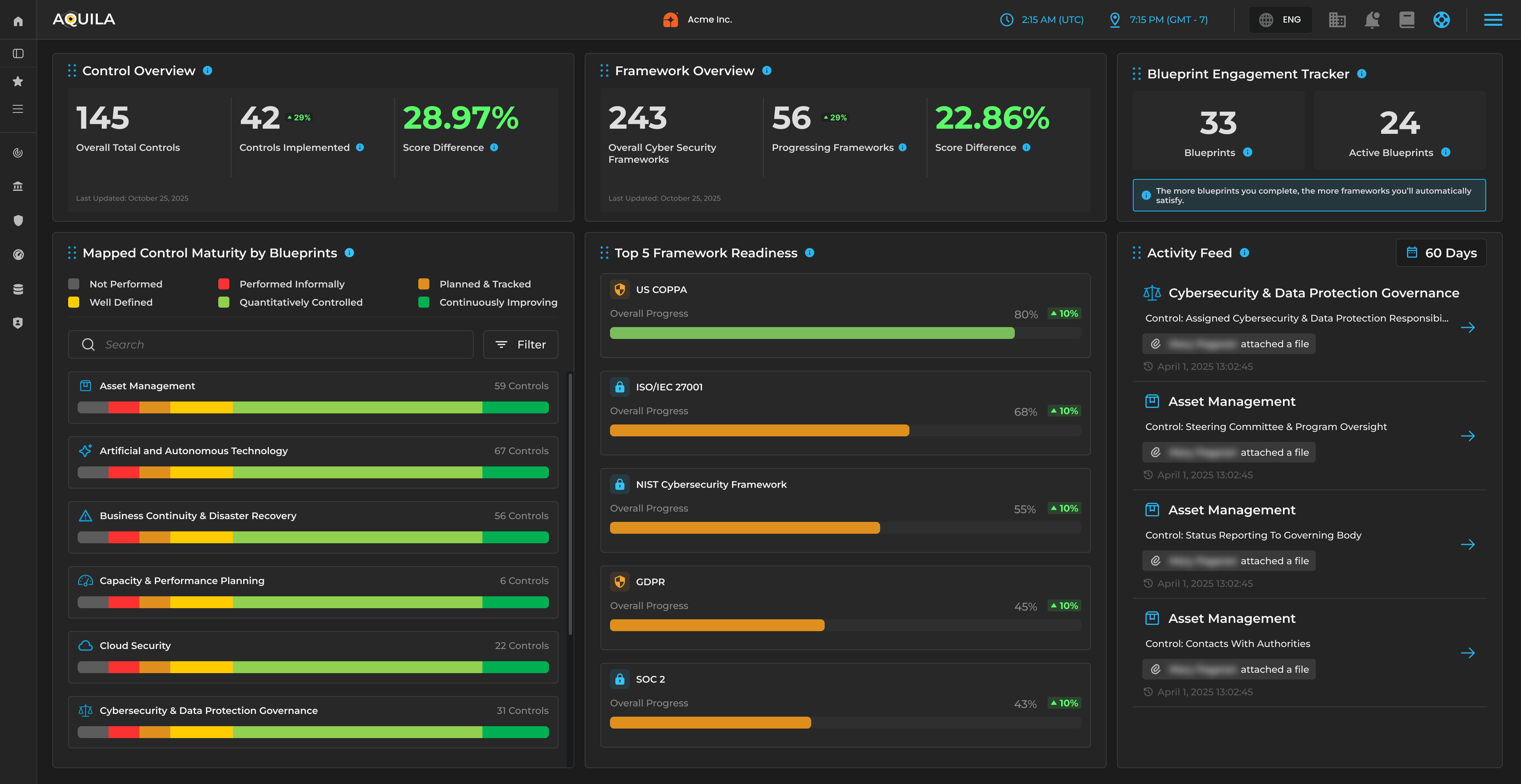
The Compliance Agent brings organizational policy directly to the device, validating user actions, configuration posture, and data handling in real time.
It provides contextual prompts, adaptive enforcement, and continuous alignment with regulatory and internal standards. Compliance becomes a living, active process — not a periodic audit exercise.
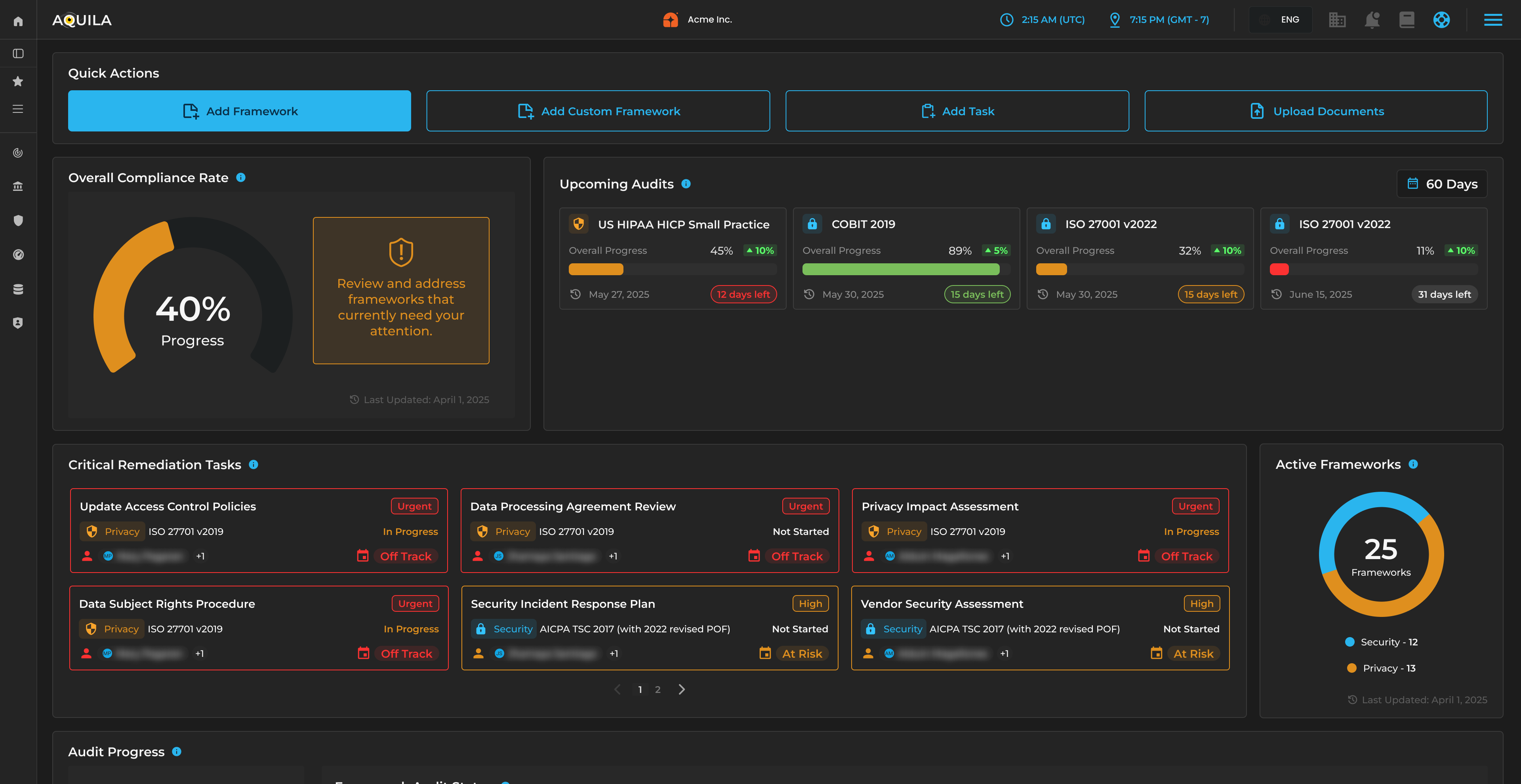
AQUILA EPA maintains a continuously updated inventory of hardware, software, configurations, and ownership, ensuring that every endpoint is accounted for and governed.
This real‑time visibility feeds AQUILA’s risk, compliance, and operational domains, transforming asset management from a static spreadsheet into a dynamic, intelligence‑driven capability.
![[background image] image of a digital display screen with marketing visuals (for a ai marketing tech company).](https://cdn.prod.website-files.com/6954708495d04649d41c9ddd/6993464c0e5e3b2ae4003be5_PT%20by%20Chen.jpg)