
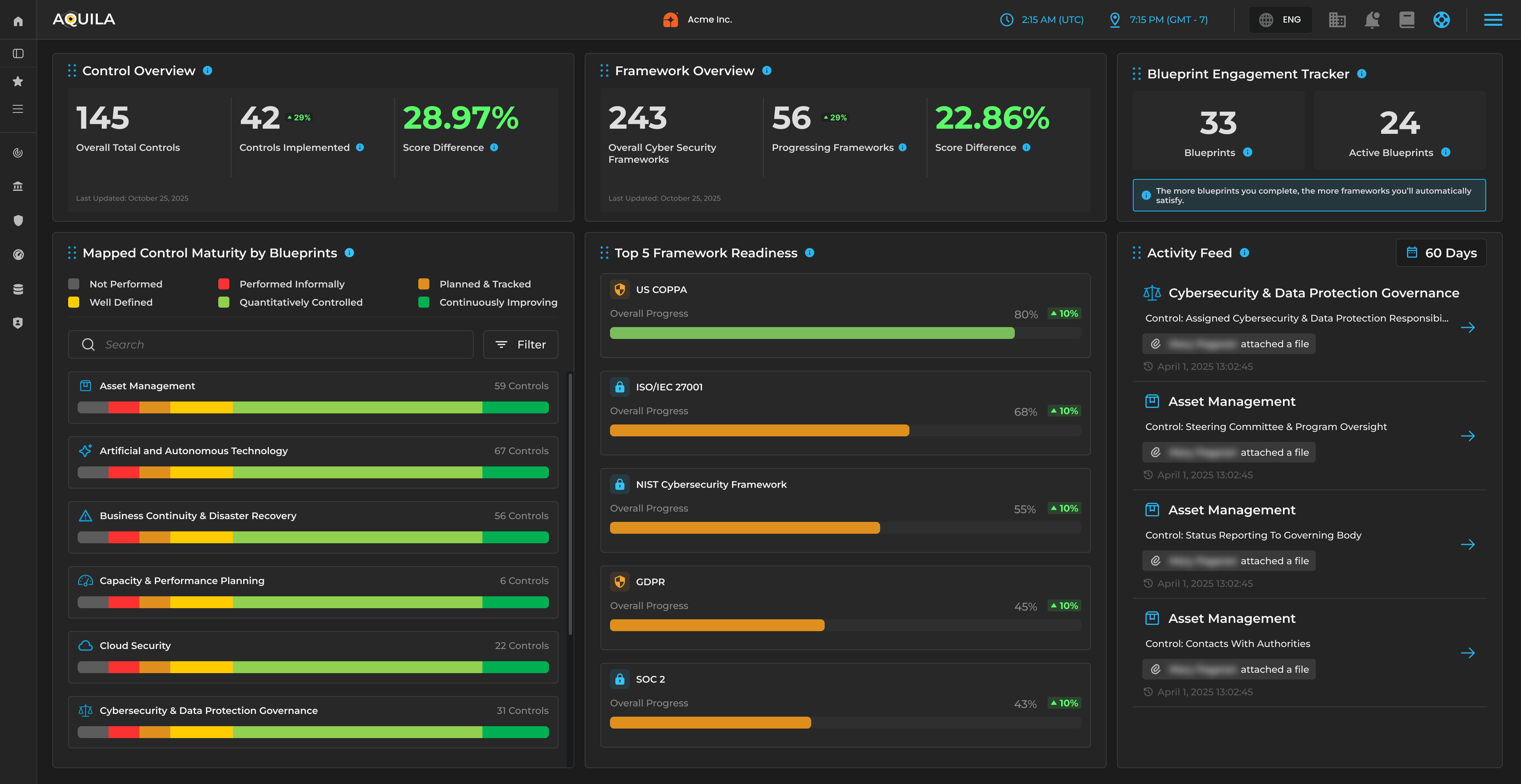
AQUILA NG‑SIEM transforms SIEM from a log‑collection system into an intelligence engine that correlates endpoint, identity, cloud, data, and human‑layer telemetry into coherent narratives — enabling SOC teams to detect, understand, and respond to threats with clarity and precision.

![[interface] image of a computer showcasing educational software (for a edtech)](https://cdn.prod.website-files.com/6954708495d04649d41c9ddd/69af0995810f83ebf1379c10_NG-SIEM%205.jpeg)
Traditional SIEM platforms suffer from structural limitations:
• they collect logs, but do not understand them
• they correlate events, but cannot interpret behavior
• they generate alerts, but cannot explain narratives
• they rely on volume, not intelligence
• they require constant tuning and rule maintenance
• they overwhelm SOC teams with noise
• they lack endpoint‑level context
• they cannot unify identity, data, cloud, and human‑layer signals
The result is predictable:
• SOC fatigue
• Missed detections
• Delayed response
• High operational cost
• Low analytical value
AQUILA NG‑SIEM corrects this by replacing log‑centric SIEM with context‑centric intelligence.
NG‑SIEM does not treat events as isolated signals.
It constructs narratives — sequences of correlated behaviors that describe what is happening, why it is happening, and what it means.
NG‑SIEM correlates:
• Endpoint telemetry from AQUILA EPA
• Identity behavior from UEBA
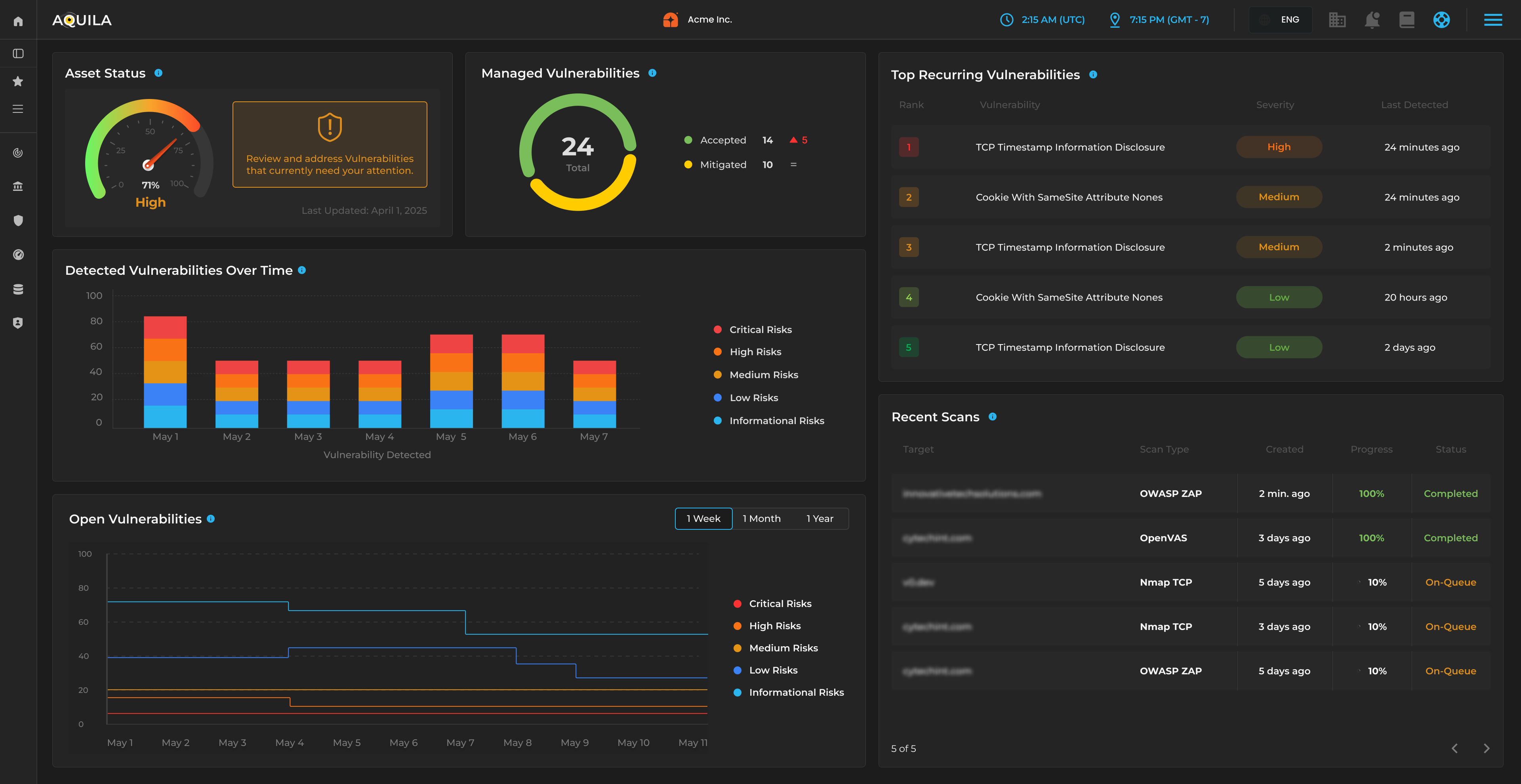
• Vulnerability exposure from VDR
• Data movement from DLP
• Browser activity from RBI
• AI‑driven anomaly detection
• Compliance and governance signals
• Cloud and application logs
• Human‑layer insights from Sniff & Detect
This produces contextual, high‑fidelity narratives that SOC teams can act on immediately.
NG‑SIEM operates as the intelligence layer of the AQUILA C4I ecosystem. AQUILA applies the C4I pillars directly to SIEM:
Command: NG‑SIEM provides a unified operational picture for SOC leadership, enabling strategic prioritization and decision‑making.
Control: NG‑SIEM orchestrates response actions through AQUILA EPA’s local SOAR capabilities, ensuring immediate containment.
Communications: NG‑SIEM synchronizes intelligence across SOC, IR, governance, and executive stakeholders.
Computers: NG‑SIEM performs correlation, enrichment, and narrative construction using distributed analytics.
Intelligence: NG‑SIEM interprets behavior, risk, and exposure to produce meaningful insights — not raw alerts.
This alignment ensures that SIEM is operational, contextual, and command‑driven, not a passive log repository.
NG‑SIEM receives structured telemetry from:
• AQUILA Endpoint Agent (EPA)
• EDR
• VDR
• DLP
• UEBA
• RBI
• AI‑Driven Monitoring
• Compliance Agent
• Asset Management
• AQUILA C4I Core OS: identity intelligence, cloud telemetry, data governance signals, human‑layer insights, governance and compliance state.
Because all telemetry is normalized, enriched, and contextualized at the source, NG‑SIEM does not drown in noise. It receives clean, structured, high‑fidelity signals — not raw logs.
NG‑SIEM correlates signals based on user behavior, baselines, process execution chains, vulnerability exposure, data movement patterns, identity misuse, cloud activity, endpoint posture, compliance drift, browser isolation events, and AI‑detected anomalies.
This enables NG‑SIEM to detect:
• Lateral movement
• Compromised identities
• Insider threats
• Staged exfiltration
• Privilege escalation
• Dormant persistence
• Multi‑stage attack chains
• High‑risk exposure combinations
Traditional SIEMs cannot correlate behavior with this level of endpoint intelligence.
NG‑SIEM constructs narratives such as:
• “A privileged user accessed sensitive data outside normal hours, from an unusual network, followed by abnormal process behavior and a high‑risk vulnerability on the device.”
• “A browser session triggered isolation, followed by suspicious file activity and a privilege escalation attempt.”
• “A dormant persistence mechanism activated after a configuration drift event.”
Narratives provide:
• Context
• Sequence
• Intent
• Risk interpretation
• Recommended response
This eliminates the need for analysts to manually stitch together events.
When NG‑SIEM identifies a high‑risk narrative, it can trigger:
• Device isolation
• Process termination
• Session invalidation
• Network blocking
• File quarantine
• Guided remediation
• Compliance enforcement
• Escalation to SOC workflows
Because response executes locally through EPA, containment is immediate.NG‑SIEM becomes both a detection engine and a command system.
With AQUILA NG‑SIEM, organizations gain:
1. Narrative‑driven detection instead of alert fatigue
Analysts receive meaning, not noise.
2. Unified telemetry across endpoint, identity, cloud, and data
No more stitching together logs from disconnected tools.
3. Faster, more reliable incident response
Local SOAR actions execute instantly at the device layer.
4. Reduced operational cost and complexity
Less tuning, fewer rules, more intelligence.
5. A single source of truth for enterprise security posture
All intelligence flows into AQUILA C4I Core OS.